

- Alphonse Island Farm
- 15 October 2026
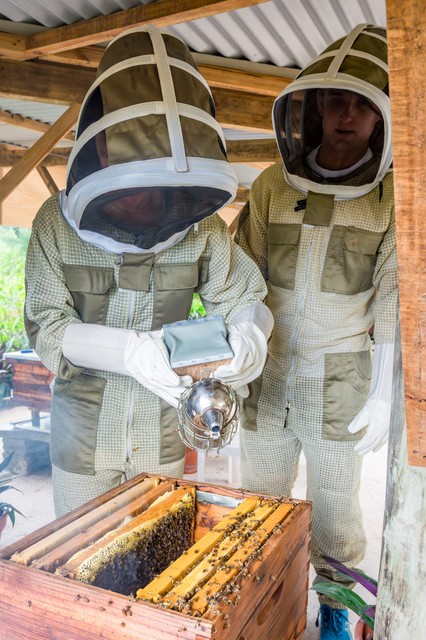
Most mornings, well before the farm team starts its rounds, Alphonse’s beekeeper, Ramim, is already out. Easing a lid free to check on a colony’s mood before the island properly wakes up. It’s unhurried work, done at close range, and it’s easy to forget that none of the 18 hives standing here existed a little over a decade ago.

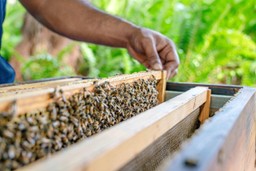
From three hives to 18
Bees were part of Alphonse for many years under the old plantation, then the population was lost, roughly 10 to 12 years ago, to circumstances the current team can no longer trace with any certainty. When bees were brought back to the island in October 2023, it was treated internally as a reintroduction rather than a new venture: three hives to start, with pollinating the farm’s fast-growing rows of vegetables and fruit as the main reason for bringing them to the island. The farm team describes the effect as immediate, pollination improved, by their own estimate, tenfold across nearly every crop under cultivation.

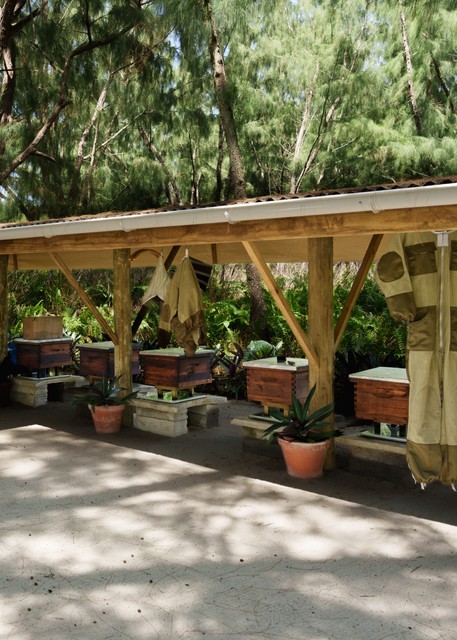

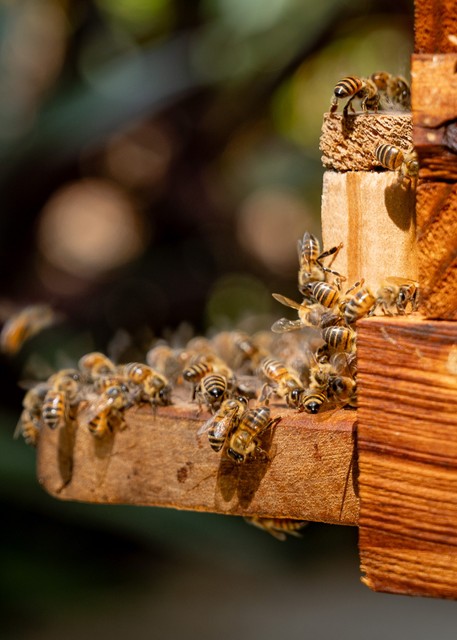
The hives have grown steadily since: 10 by the end of 2024, 14 by the end of 2025 and 18 now, in 2026, with roughly 198 kilograms of honey harvested in that first full year, rising to 340 kilograms the following one. This year’s harvest season, which properly begins in October, is expected to bring the total close to 1,000 kilograms, a projection the team is already tracking towards, sitting at 320 kilograms before the main flow has even started.
A modern Seychelles hybrid
The bees themselves are usually described, a little carefully, as a modern Seychelles hybrid. Two subspecies are present, the Malagasy honey bee, native to the outer islands because of how close they sit to Madagascar, and the European honey bee, descended from colonies brought over by Italian settlers in the early years of Seychelles’ history. Left to themselves, the two have interbred freely enough that the island’s bee team is reluctant to say with any precision which genetics dominate a given hive, though the broader research on the subject points to unicolor as the majority influence. It is one of the more honest admissions to come out of the apiary: nobody claims to know exactly what’s inside each box, only that it works.
Coconut blossom and the changing seasons
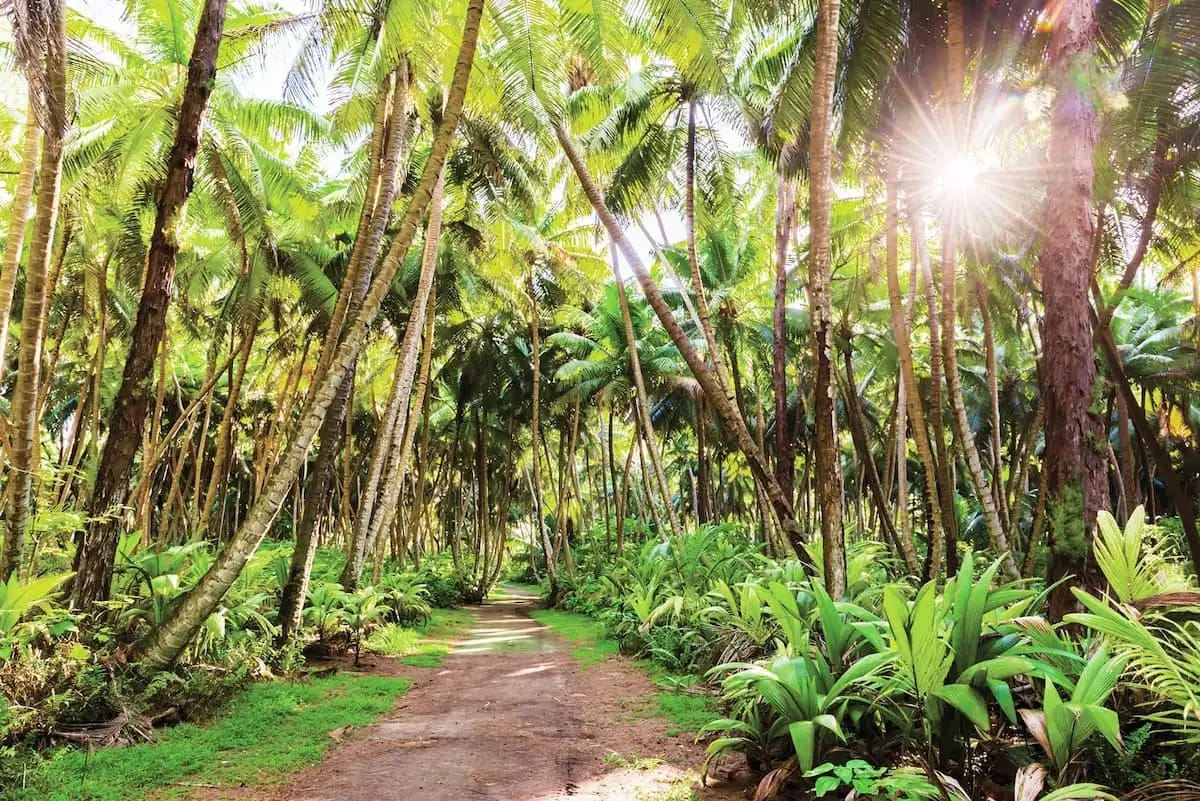
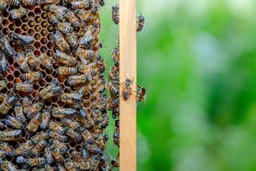
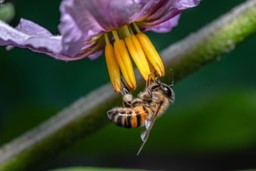
The main apiary, the one guests get to see, sits close enough to the farm to reach on foot in a couple of minutes. A second, smaller apiary lies a few hundred metres further into the island, kept mainly for rearing queens and supporting the main colonies rather than for show. Between them, the bees range across Alphonse freely, foraging predominantly on coconut palm blossom but drawing on whatever else is flowering as the seasons turn. The honey changes with them, colour, viscosity and flavour shifting most noticeably at the start of the monsoon, when nearly everything on the island flowers at once, and again deep into the rainy season, when the available pollen turns too wet to be worth collecting.
From hive to table
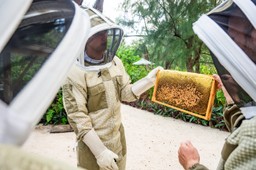
Harvesting happens every six to seven weeks, all year round, and stays deliberately low-tech, no motorised equipment, everything lifted, spun and strained by hand. The island’s beekeeper spends roughly 70 per cent of his time with the hives, splitting the rest with the wider farm team, a division that says something about how closely the two operations are now tied together.


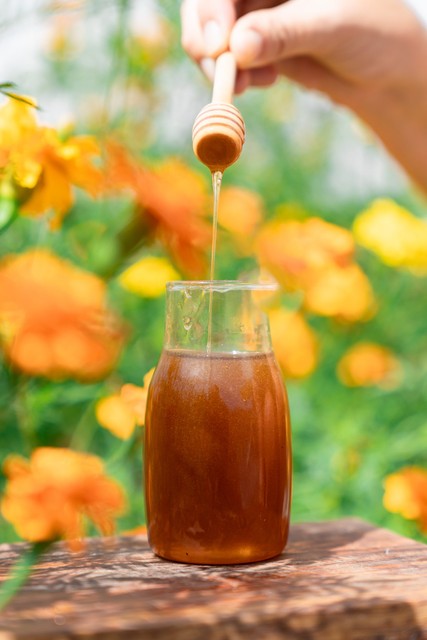
Most of what comes off the frames is jarred and kept in storage, worked into a handful of dishes and desserts across the island’s kitchens and into cocktails; the Dawa served at the Boat House is one of them. A smaller amount goes out fresh each week, whole comb sent straight to the breakfast buffet. Once the other destinations, Farquhar, Cosmoledo and Astove, open for their own seasons, some of the harvest is set aside for them too, though for now, with the operation still climbing towards its full capacity, what’s produced is prioritised for guests on Alphonse itself.
Meeting the bees
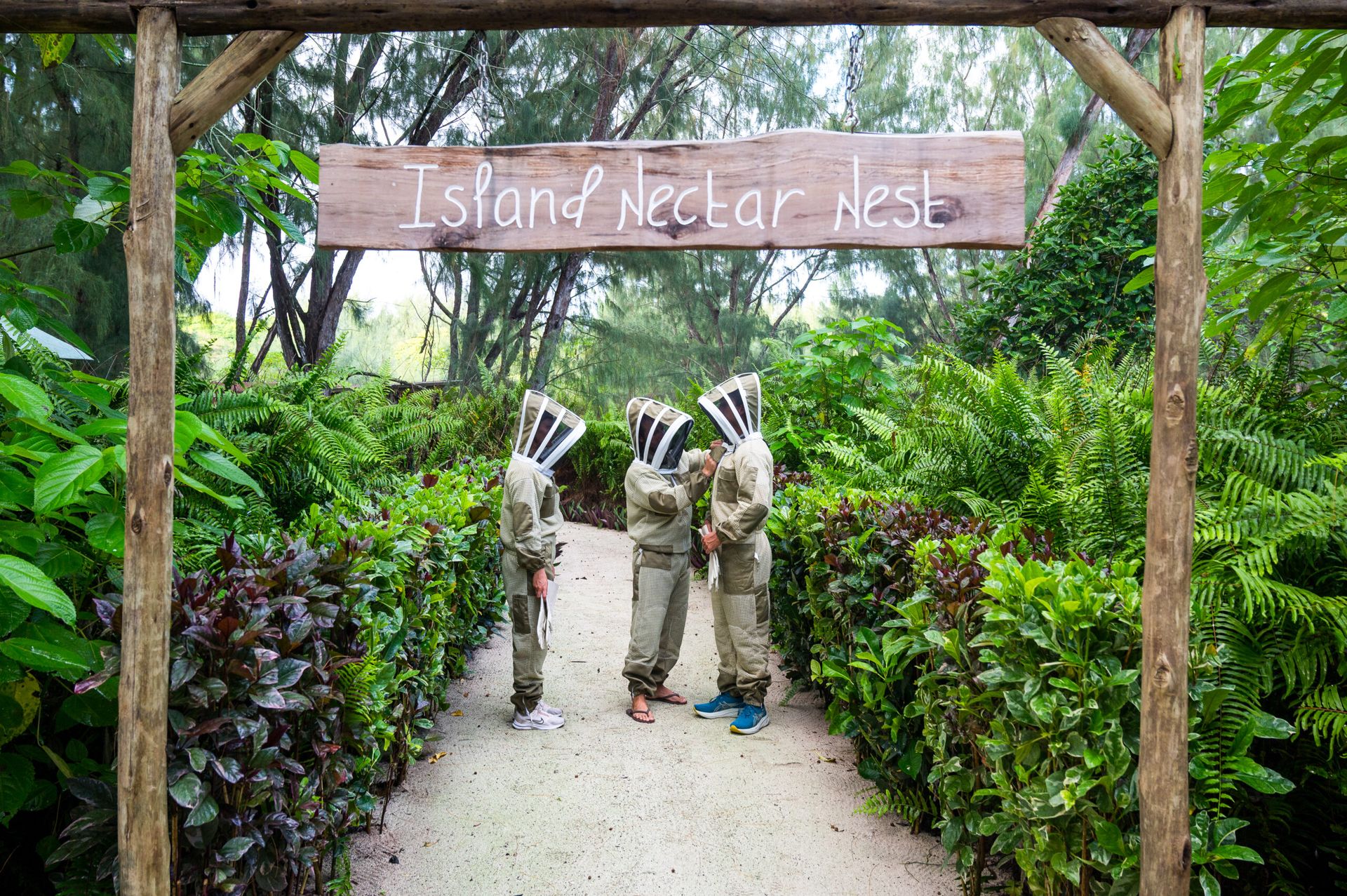
Guests who want a closer look can join Ramim for the beekeeping experience, which changes shape depending on what week they land in. In a normal week, it means suiting up to locate the queen and get a sense of the hive’s structure and mood. In a harvest week, it extends into pulling frames, spinning honey, and walking away with a jar of something made that same afternoon. What tends to surprise people most, according to those who run the experience, is less the honey itself than the scale of what the bees are doing unseen, working every corner of an atoll this size, tying the farm’s rows to the wider island in a way that only becomes obvious once someone points it out.

It is, in that sense, a small story with an outsized reach: an atoll that lost its bees once, brought them back on purpose, and is now watching honey turn up in places as different as a breakfast table and a sundowner glass at the Boat House.
previous blog
- Share:


next blog